
Projection Mapping and Light: How Technology Transforms Public Space
What happens when projection becomes part of a public square? Light, attention, safety, accessibility and a responsible relationship with shared space.
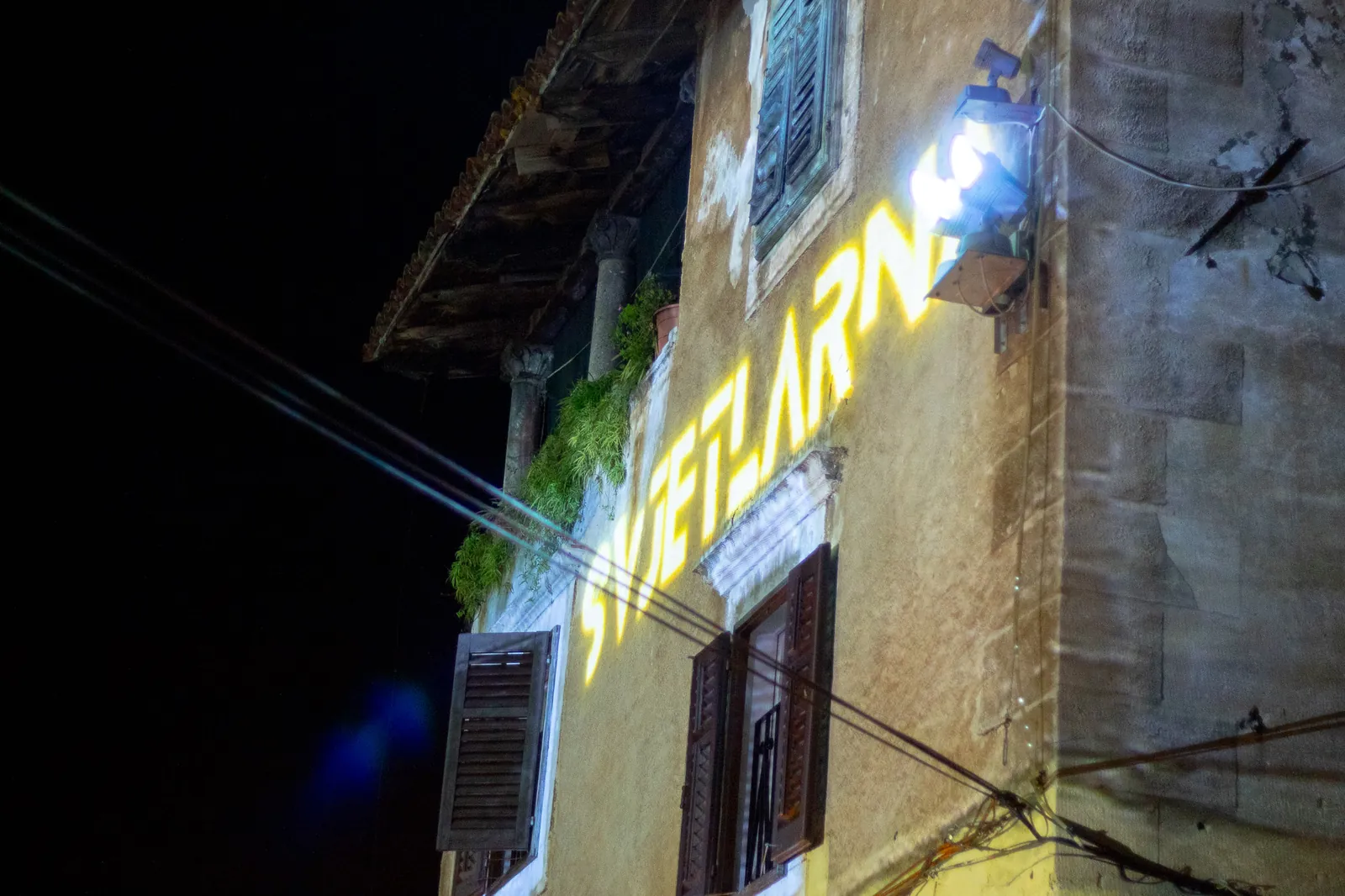
Public space is not an empty canvas
Squares, passages, courtyards and façades already have everyday uses. Projection enters that life and must respect its rhythms, safety boundaries and ways of use.
Content should therefore be developed with architects, municipal teams, building owners and visitors. A good projection does not impose itself on a place; it adds a new layer to it.
Attention and passage
Light attracts the eye, but it can also disturb. A projection that is too strong can darken real surfaces, affect orientation or become an unwanted backdrop for everyday activity.
Design should include quiet moments, readable entrances, safe passage and a way for content to respond to people in the space.
Responsibility to the public
Public projection should be available to a wide audience, not only to a specialist audience. Language, contrast and subject matter should be understandable without specialist training.
Creative choices also matter: copyright, privacy, equipment safety, energy use and maintenance. Sustainability is part of project quality, not a footnote.
Projection as a civic event
A good projection connects people, buildings and context. It can become a reason to visit, a way to understand a place better or an opportunity for a community to gather around something new.
Public space is part of the narrative. We do not only project onto a façade; we create an experience that belongs to the community watching it.