
Art, Technology, and Space: The Future of Projection Mapping
From real-time 3D content to interactive installations and more sustainable productions — what possibilities shape the next generation of projection mapping?
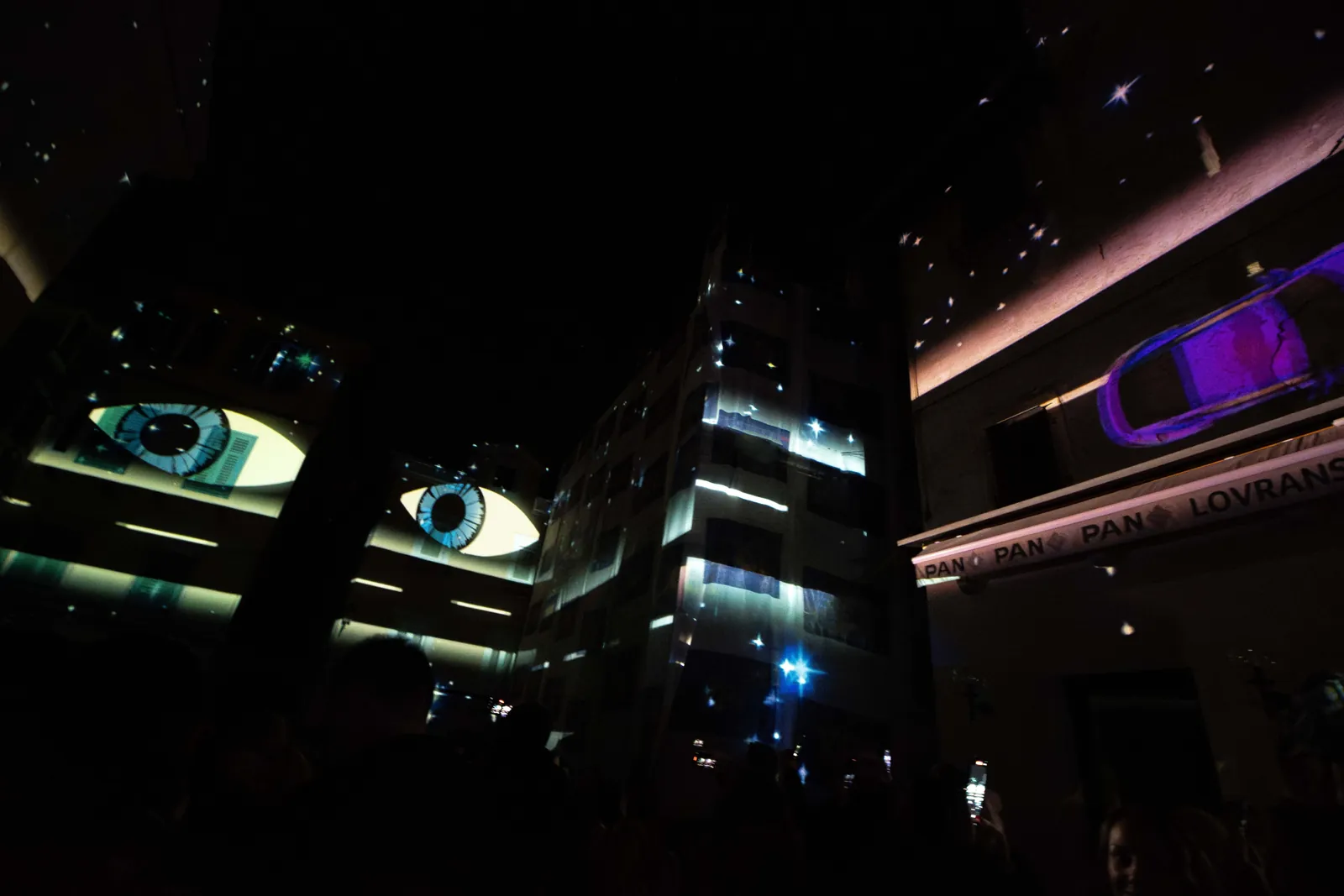
From fixed content to real-time worlds
Advances in real-time 3D allow content to adapt to its surroundings without giving up façade precision. Future projects will combine manual calibration with dynamic systems.
This opens the door to content that changes with time, light, sound or audience choice, while calibration remains controlled and repeatable.
Interactivity without losing the space
Sensors, computer vision and sound can turn a projection into a response. Interactivity does not need to turn content into a game. It can be a discreet, almost invisible change that respects the pace of the space.
Public space becomes a partner, not only an audience. The real challenge is not adding more interaction, but knowing when the space needs silence.
More sustainable productions
Better equipment, LED sources, local processing and smarter light management can reduce consumption and extend the life of an installation. Sustainability is a technical and creative challenge.
Maintenance, spare parts and content updates need planning too. A projection does not end when the projector is switched off.
Art and responsibility
Projection mapping is both a technical and an artistic medium. Its future depends on whether artists, architects, engineers and communities can jointly define what it means to use public architecture as a canvas.
The best future for the technology is not brighter images, but more room for a careful, precise and meaningful conversation between digital content and a real place.